
By: Patience Raibo

New Valley Farm in Mazowe, Zimbabwe, offers a compelling example of how innovative farming practices can address critical issues like food security, economic development, and community empowerment. In a country where agricultural productivity is often hampered by climate change, limited resources, and a fluctuating economy, the farm’s approach to diverse agricultural production—spanning fish farming, vegetable cultivation, and piggery—serves as both a model and a solution.
One of the most striking aspects of New Valley Farm is its commitment to sustainability. The farm not only combines traditional methods with modern technology but also adopts practices that are responsive to environmental challenges. For instance, fish farming at New Valley thrives on the use of large ponds designed to accommodate up to 50,000 tilapia. The farm has incorporated modern irrigation systems and digital tools to monitor crop growth and fish health, effectively boosting productivity while mitigating the impact of seasonal changes. This use of technology exemplifies the potential of digital tools in transforming agriculture in Africa, making it more resilient to climate change and helping optimize resources.
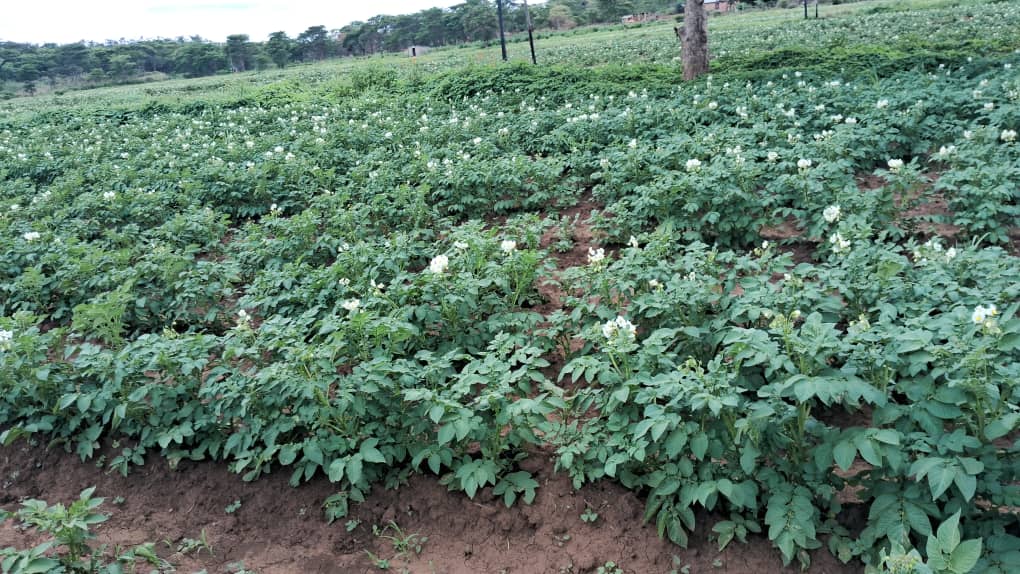
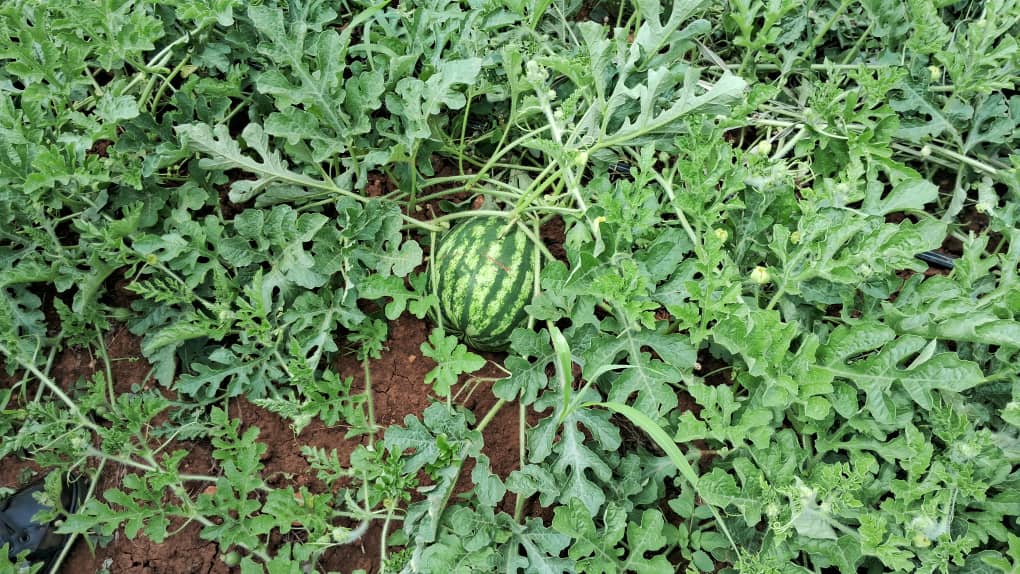
Moreover, New Valley Farm’s success in vegetable and piggery production highlights the potential for diversification to ensure food security. By growing crops like tomatoes, spinach, cabbage, and cucumbers, the farm contributes to Zimbabwe’s food supply while reducing reliance on a single agricultural product. Diversification helps cushion the impact of market fluctuations and environmental changes, ensuring that the farm remains resilient even in the face of challenges. The piggery, with its herd of 310 pigs, also plays a crucial role in enhancing local food security by providing a consistent source of protein to surrounding communities. The farm’s award-winning Duroc Boar piglets showcase the quality and potential of Zimbabwean livestock.
However, the true impact of New Valley Farm lies in its broader contribution to community empowerment. By creating job opportunities and investing in training, the farm not only helps local communities but also instills valuable skills in agricultural practices. This is a crucial step in the fight against poverty, as it enables individuals to improve their livelihoods and become more self-sufficient. Through this inclusive approach, New Valley Farm supports the overarching goal of food sovereignty in Zimbabwe, aligning with the country’s Vision 2030 aspirations of becoming an upper-middle-income economy.



New Valley Farm’s innovative practices are a testament to the potential of agriculture to address Zimbabwe’s food security challenges. By combining sustainability, technology, and diversification, the farm is contributing not only to food production but also to the broader socio-economic development of the country. New Valley Farm is setting an example of how agriculture can evolve to meet modern challenges while also supporting local communities and national goals.